

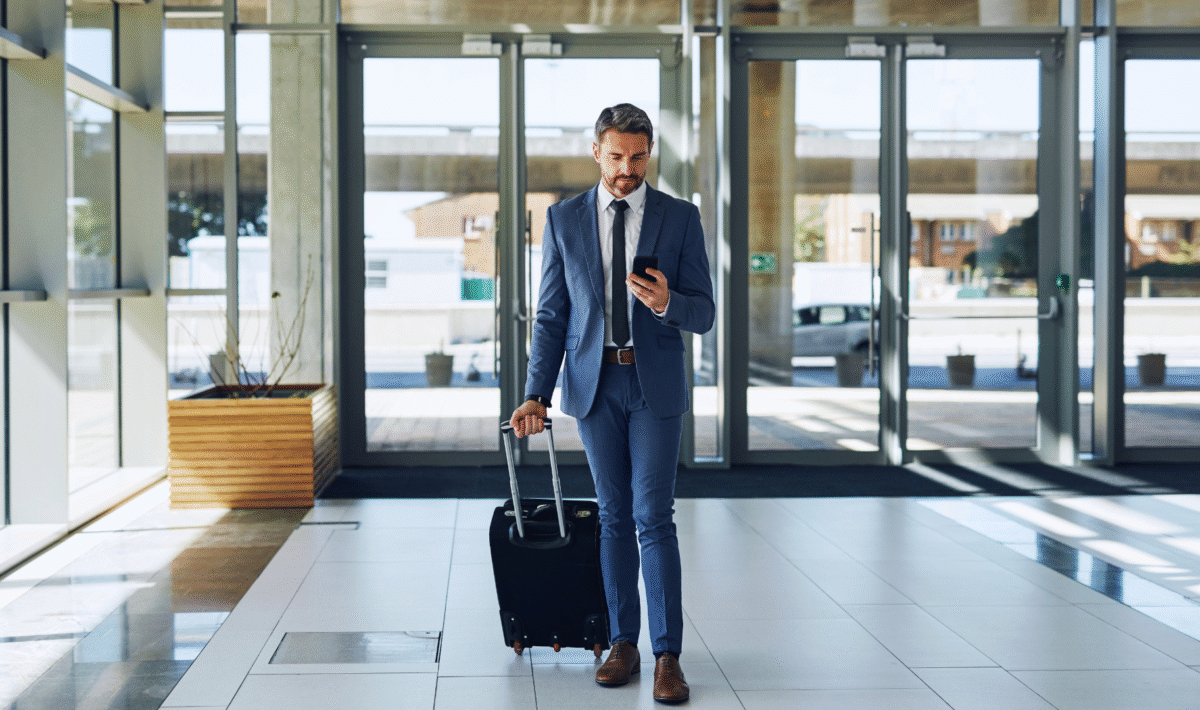
Airports can be overwhelming, especially for travelers unfamiliar with the layout and procedures. With bustling crowds, security checks, and multiple terminals, it is essential to approach the airport experience with a plan. Utilizing simple strategies can significantly ease navigation and enhance overall travel efficiency.
From checking in online to arriving early, every step contributes to a smoother journey. Passengers can benefit from familiarizing themselves with airport maps, as well as understanding the location of amenities such as lounges, dining options, and gates. Taking advantage of mobile apps and tools designed for travelers can streamline the entire process.
Awareness of peak travel times and security requirements can also help travelers avoid unnecessary stress. Being prepared increases the likelihood of a seamless airport experience, allowing more time to relax and enjoy the journey ahead.
Preparing for Smooth Airport Navigation
Efficient airport navigation begins well before arriving at the terminal. By organizing travel documents, packing wisely, and dressing appropriately, travelers can significantly reduce stress during the journey.
Organizing Travel Documents and Boarding Passes
Travelers should have all necessary documents readily accessible. This includes passports, ID cards, and boarding passes. Keeping these documents in a designated easily reachable pocket helps to avoid last-minute scrambling.
Using a travel wallet can be beneficial. It allows for organized storage of boarding passes, receipts, and itineraries.
Digital options add convenience. Many airlines now offer mobile boarding passes. Installed apps can provide real-time flight updates and gate changes.
A robust luggage tag system ensures that checked bags are easily traceable. Including contact information is crucial. Adding an AirTag can help locate lost luggage.
Packing Smart: Carry-On and Checked Luggage Tips
To maximize comfort and convenience, packing needs to be strategic. Travelers should aim to pack light for carry-on items while ensuring essentials are prioritized. Liquids should comply with TSA regulations, staying within the 3.4-ounce limit in a quart-size bag.
Checked luggage should be packed smartly too. Heavier items should go at the bottom to stabilize the bag. Utilizing packing cubes can help keep clothes organized and maximize space. Important travel items, like medications, should remain in the carry-on.
Before leaving home, a checklist helps confirm all items are packed. It can also prevent overpacking, aiding in smoother airport navigation.
Dressing Comfortably and Efficiently
The right attire can enhance the travel experience. Comfortable clothing is essential for long waits and cramped airplane seats. Lightweight layers are recommended, as temperatures can vary across terminals and aircraft.
Opt for shoes that are easy to remove at security checkpoints. Slip-on styles can make the process smoother. Additionally, consider wearing a jacket with ample pockets for storing small items.
Accessories should be minimized to streamline the security process. A crossbody bag can keep belongings secure while remaining easy to manage. Dressing thoughtfully not only fosters comfort but also expedites airport procedures.
Essential Airport Arrival and Check-In Strategies
Navigating the airport efficiently requires careful planning from arrival to check-in. Understanding transportation options, check-in processes, and time management can significantly enhance the travel experience.
Getting to the Airport and Parking Options
Arriving early at the airport is crucial. Travelers should aim to arrive at least two hours before domestic flights and three hours before international ones. This allows ample time to handle potential delays.
For parking, airports typically offer various options:
- Short-term parking: Best for quick drop-offs or pickups.
- Long-term parking: More economical for extended trips.
- Valet services: Convenient but usually more expensive.
Using airport apps can help locate parking availability and provide real-time updates on lot capacity. Regularly checking for off-peak times can also save time and reduce stress.
The Check-In Process and Online Check-In Benefits
The check-in process can vary by airline but usually includes checking bags, confirming flight details, and obtaining boarding passes.
Online check-in is highly recommended. Passengers can check in via the airline app 24 to 48 hours before departure.
Benefits include:
- Choosing seats in advance
- Reducing time at the airport
- Avoiding long lines
For first-time flyers, familiarity with the airline’s check-in procedures can alleviate anxiety. They can ask staff for help if needed.
Maximizing Your Time Before Security
After arriving and checking in, travelers can maximize their time. First, they should locate their gate and note the boarding time. This helps in managing remaining time effectively.
Utilizing airport amenities, like lounges or dining options, can provide a relaxing experience.
Staying informed about flight status through airport apps can help avoid missing announcements. If unsure about airport layout or services, asking for help from airport personnel is always encouraged.
Mastering Security and Boarding Procedures
Efficient navigation of airport security and boarding procedures can significantly enhance the travel experience. Understanding the ins and outs of these processes helps avoid unnecessary delays and ensures a smoother journey.
Understanding Security Checkpoints and Regulations
Travelers encounter security checkpoints early in their airport experience. It’s crucial to familiarize themselves with TSA regulations, including what constitutes prohibited items. Sharp objects, flammable materials, and most sporting equipment are not allowed.
Liquids must be limited to containers of 3.4 ounces (100 ml) or less and packed in a clear, quart-sized bag. Additionally, travelers should take care of their personal items and electronics. Laptops, tablets, and larger electronics often require separate screening.
Staying aware of current security regulations can streamline the process and reduce the likelihood of delays.
Expedited Screening Programs (TSA PreCheck, Global Entry, CLEAR)
Several programs offer expedited security screening, making it simpler for frequent travelers to navigate airports. TSA PreCheck allows approved travelers to keep on their shoes, light jackets, and belts while leaving laptops and liquids in their bags.
Global Entry speeds up international arrivals and provides TSA PreCheck benefits as well. Applicants undergo a thorough background check and an interview process.
CLEAR uses biometric technology to expedite identity verification at security checkpoints, allowing travelers to bypass long lines. Enrollment fees may vary, but memberships often pay off for those who travel frequently.
Preparing Your Carry-On for Security Checks
Proper preparation of carry-on luggage can make a significant difference during security checks. Travelers should pack a clear, quart-sized bag containing liquids. Adhering to the 3-1-1 rule helps avoid complications.
Slip-on shoes are recommended as they can save time during the screening process. A traveler can quickly remove them to proceed through metal detectors.
Organizing items in the carry-on also aids efficiency. Placing electronics and personal items near the top allows for quicker access, minimizing delays.
Keeping documentation like boarding passes in an easily accessible location is essential for fast processing.
Efficient Boarding and Gate Strategies
Once through security, the focus shifts to boarding procedures. Each airline has specific pre-boarding protocols, usually stated on boarding passes. Understanding boarding group assignments helps in determining when to line up.
Travelers can benefit from arriving at the gate early to observe boarding patterns and prepare accordingly. Being aware of gate changes can also avoid last-minute stress.
Using travel credit cards that offer perks such as early boarding can provide an advantage. This benefit allows travelers to secure overhead bin space and settle in comfortably before the flight.
Enhancing Your Airport Experience
Passengers can significantly improve their time at the airport by utilizing available amenities, prioritizing personal health, and effectively managing layovers and delays. Below are key strategies to enhance the overall airport experience.
Making the Most of Airport Amenities and Lounges
Airports are equipped with various amenities that can enhance comfort and convenience. Many airports offer free Wi-Fi, charging stations, and seating areas designed for relaxation.
Travelers should consider lounge access, which can provide a quieter space, complimentary snacks, and beverages. Some lounges are accessible through airline memberships, while others may allow single-entry purchases.
Tip: Look for lounges that offer shower facilities and business services. Travelers can often find these amenities in larger international airports, making layovers more pleasant.
Health, Hydration, and Personal Comfort While Waiting
Staying comfortable in an airport is essential. Passengers should dress in layers to adapt to changing temperatures. Wearing comfortable shoes is also advisable.
Maintaining hydration is crucial, especially in the dry environment of an airport. Carrying an empty reusable water bottle allows easy refilling at water stations. Remember to pack hand sanitizer for cleanliness, particularly before eating.
Additionally, consider bringing a portable charger. Long waits can drain device batteries quickly, so a charged phone or tablet is vital for accessing information or entertainment.
Navigating Layovers and Flight Delays
Layovers often require careful navigation. Passengers should stay informed about flight statuses through airline apps or airport monitors. Knowing potential delays can help mitigate stress.
During a layover, travelers can explore amenities or even the airport itself. Some airports provide guided tours or art displays, which can make waiting more enjoyable.
For unexpected delays, verifying travel insurance details may provide peace of mind. Insurance can cover missed connections and emergencies, allowing for a smoother travel experience.
