

Travel can often bring unexpected challenges, from missed flights to lost luggage. Being prepared for these emergencies can make all the difference in minimizing stress and ensuring a smoother experience. Knowing how to effectively handle travel emergencies is essential for any traveler who wants to maintain their peace of mind while on the go.
Staying calm and collected during emergencies is crucial. Panic can cloud judgment, making it difficult to come up with practical solutions. Having a strategy in place allows travelers to act quickly and efficiently, whether it’s contacting airlines, finding alternative accommodations, or accessing important documents.
Planning ahead can significantly reduce the likelihood of travel mishaps. Creating a checklist of essential contacts, travel insurance details, and emergency resources will equip travelers to deal with any situation that arises. Being proactive in this way ensures a more enjoyable travel experience overall.
Understanding Travel Emergencies
Travel emergencies can occur unexpectedly, disrupting plans and causing stress. Knowing their nature and common triggers can help travelers prepare for and respond to these situations effectively.
Definition and Types
Travel emergencies refer to any unforeseen incidents that can lead to significant disruptions during a trip. These can range from medical emergencies to natural disasters or issues related to transportation.
Types of travel emergencies include:
- Medical emergencies: Illness or injury requiring immediate attention.
- Natural disasters: Events like earthquakes, hurricanes, or floods impacting travel plans.
- Travel disruptions: Delays or cancellations of flights, trains, or buses.
- Safety threats: Instances of theft, loss of important documents, or civil unrest.
Recognizing these types can help travelers mitigate risks and make informed decisions.
Common Causes and Triggers
Several factors can trigger travel emergencies. Common causes include:
- Weather conditions: Severe weather can lead to flight cancellations or unsafe travel.
- Health issues: Unexpected health problems can arise, necessitating medical assistance.
- Transportation failures: Mechanical breakdowns or strikes can result in significant delays.
- Cultural misunderstandings: Miscommunication in foreign environments can lead to safety concerns.
Being aware of these triggers allows travelers to plan accordingly, including purchasing travel insurance or carrying essential items. Preparing for potential emergencies ensures a smoother travel experience.
Preparation and Prevention
Proper preparation and prevention strategies are essential for effectively handling travel emergencies. This includes securing adequate travel insurance, maintaining important contacts, and implementing health and safety measures.
Travel Insurance
Travel insurance can provide vital protection during unexpected events. It typically covers trip cancellations, medical emergencies, lost luggage, and other travel disruptions.
When selecting travel insurance, individuals should evaluate the following:
- Coverage Limits: Understand what is covered, including medical expenses, evacuation, and trip interruptions.
- Policy Details: Read the fine print to identify exclusions, such as pre-existing conditions.
- Claim Process: Familiarize oneself with how to file a claim, including required documentation.
Having reliable travel insurance can alleviate financial burdens during emergencies and offer peace of mind.
Standard policies often cover medical costs or trip delays, but they may not handle more severe security risks. Travelers who visit high-risk regions should look into specialized protection for security threats. A clear kidnap and ransom insurance definition shows how these policies help with extortion or illegal detention. These plans give access to professional crisis responders who manage negotiations and logistics. This type of support is often more valuable than the financial payout alone. It helps travelers stay safe in parts of the world where local authorities have limited reach.
Emergency Contacts and Documentation
Keeping emergency contacts accessible is critical when traveling. This includes having a list of vital contacts, such as:
- Local Emergency Services: Note the contact numbers for police, fire, and medical assistance.
- Consulate or Embassy: Keep the address and phone number of the home country’s consulate or embassy readily available.
In addition to contacts, important documents like passports, visas, and insurance policies should be stored securely. Digital copies on a secure cloud service or encrypted USB drive can be helpful. This ensures quick access and reduces the risk of losing essential information during emergencies.
Health and Safety Measures
Being proactive about health and safety can prevent many emergencies. Travelers should consider the following measures:
- Vaccinations and Medications: Research required vaccinations for the destination and carry sufficient medications, including a doctor’s note if necessary.
- Travel Safety Apps: Utilize apps that provide real-time updates on local safety conditions and emergency services.
Moreover, travelers should stay informed of local health advisories, weather conditions, and any potential natural disasters. Being prepared with this information allows travelers to respond quickly if emergencies arise.
Immediate Response Strategies
Travel emergencies require swift action and clear thinking. Knowing how to respond effectively can mitigate risks and ensure safety during challenging situations.
Medical Emergencies
In the event of a medical emergency, the first priority is to assess the situation. If someone is injured or unwell, determining the severity is crucial. Call local emergency services if immediate medical attention is required.
Key steps to follow:
- Stay Calm: Keeping a cool head will help in making informed decisions.
- Provide First Aid: If trained, offer first aid while waiting for professionals.
- Contact Emergency Services: Use local emergency numbers, which can vary by country.
If the individual is conscious, check for allergies, medical history, and current medications. It can be beneficial to have an insurance card accessible to provide necessary information to medical personnel.
Theft or Loss of Possessions
Experiencing theft or loss of belongings can be distressing. The first step is to secure personal safety before addressing the loss.
Actionable steps include:
- Report to Local Authorities: File a police report, which may be needed for insurance claims.
- Notify Your Bank or Credit Card Companies: If credit cards or bank cards are lost or stolen, report them immediately to avoid unauthorized transactions.
- Contact Your Embassy: If a passport is lost, reach out for guidance on getting a replacement.
Keeping digital copies of important documents can expedite the replacement process. Keeping valuables in secure locations, such as hotel safes, can help prevent such incidents.
Legal Issues Abroad
Facing legal troubles while traveling can be intimidating. Understanding the local laws can provide a framework for response.
Steps to take include:
- Stay Calm: Avoid escalating the situation by remaining composed.
- Know Your Rights: Familiarize oneself with local laws and rights as a foreigner.
- Seek Legal Assistance: Consult with the nearest embassy or consulate for support in finding legal representation.
It is essential to cooperate with authorities while ensuring personal rights are upheld. Obtaining contact information for legal aid services in advance is advisable for travelers.
Assistance and Resources
Travel emergencies can occur unexpectedly, requiring immediate access to assistance and support. Understanding available resources can make a significant difference in how individuals manage these situations.
Consular Services
Consular services are essential for travelers facing emergencies abroad. These services are provided by a country’s embassy or consulate and can assist in various situations, such as lost passports, legal issues, or medical emergencies.
Travelers should locate the nearest embassy or consulate upon arrival. The contact information is often available on official government websites. Consulates can:
- Issue emergency travel documents.
- Help with locating local legal assistance.
- Provide guidance for medical emergencies.
In cases of serious incidents, such as natural disasters or civil unrest, consular services can facilitate evacuations and provide crucial updates and resources.
Local Emergency Services
Local emergency services include police, fire, and medical assistance that travelers may need in a crisis. Familiarizing oneself with the local emergency numbers can expedite help. Many countries have unique emergency numbers. For example:
- United States: 911
- United Kingdom: 999
- European Union: 112
Knowing these numbers enables travelers to quickly request assistance. Many areas also have local hospitals and clinics, which can be found through hotel concierge services or local directories. Understanding local customs and language basics can aid communication with emergency responders.
International Support Networks
International support networks offer additional layers of assistance during travel emergencies. Organizations such as the International Red Cross and local non-profits provide resources for travelers in peril.
Travelers can often find support through:
- Travel Insurance Providers: Some companies offer 24/7 assistance hotlines for policyholders.
- Travel Advisory Services: These services keep travelers informed about potential risks in destinations.
- Online Communities: Platforms like expat forums or travel groups can provide advice from fellow travelers.
It is advisable to document relevant contacts before traveling, including insurance details and local resources, to ensure quick access when needed.
Crisis Management
Travel emergencies can arise from various unexpected situations. Properly navigating these crises requires preparedness and an understanding of specific scenarios.
Natural Disasters
Natural disasters can occur abruptly during travel, including earthquakes, hurricanes, or floods. Travelers should stay informed about potential risks in their destination by checking weather forecasts and alerts.
It’s crucial to have an emergency plan. This plan could include:
- Emergency contacts: Know how to reach family, friends, or local authorities.
- Evacuation routes: Familiarize with exits and safe locations.
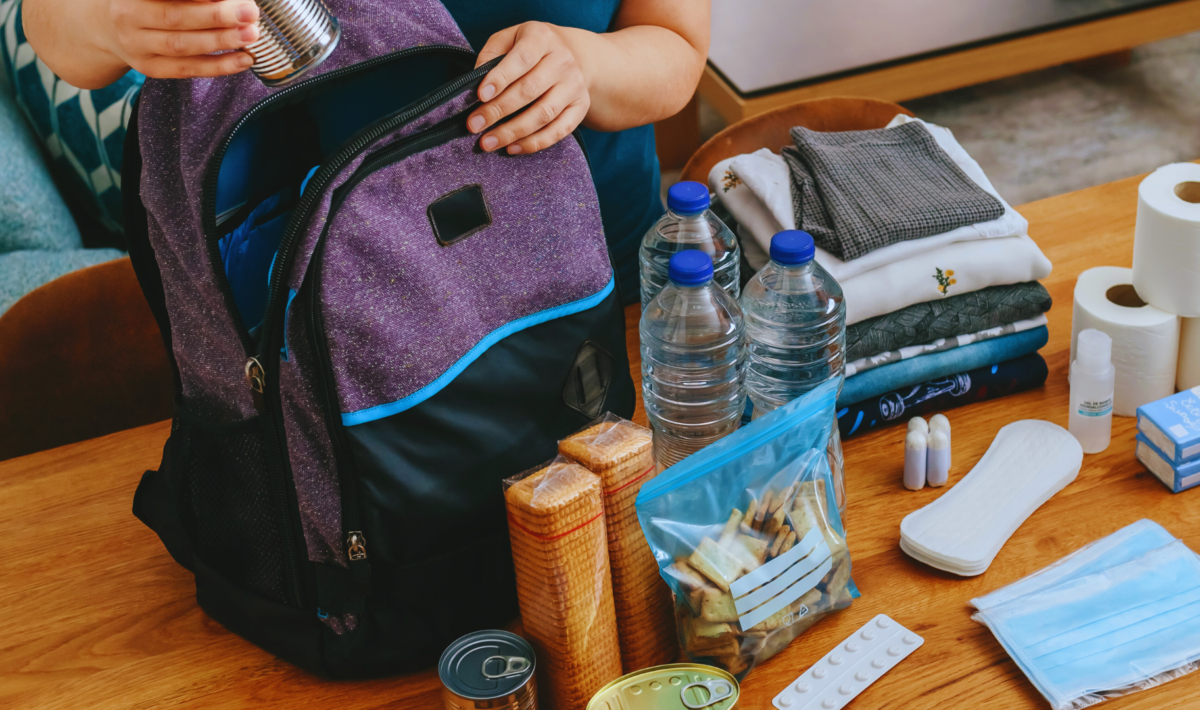
- Emergency kits: Carry essentials such as water, food, and medical supplies.
Maintain frequent communication with local authorities and follow their directives during a disaster to ensure safety.
Political Unrest and Conflict Zones
Traveling in areas with political unrest poses unique challenges. Awareness of local conditions is essential. Travelers should monitor news and travel advisories issued by their government.
If they find themselves in unrest, it’s important to:
- Stay calm: Panic can exacerbate the situation.
- Avoid flashpoints: Stay clear of protests and large gatherings.
- Know exits: Familiarize themselves with safe routes and nearby embassies.
Keeping a low profile and blending in can significantly reduce risks.
Terrorist Attacks
Terrorist attacks, though rare, can be devastating. Awareness and preparation can enhance safety. Travelers should stay informed about any potential threats to their destination.
In case of an attack, the following actions are vital:
- Run, hide, or fight: Assess the situation and choose the best course of action.
- Know emergency numbers: Have local emergency contact numbers readily available.
- Emergency plans: Be aware of procedures at accommodations for such scenarios.
Staying vigilant and trusting instincts can assist in making quick decisions in crisis situations.
Post-Emergency Action
After a travel emergency, taking structured steps is crucial. Addressing insurance, healthcare, legal, and financial implications can help restore peace of mind and mitigate further complications.
Insurance Claims
It is important for travelers to understand how to initiate insurance claims after an emergency. They should gather necessary documentation, including police reports, hospital records, and photographs of damages. Many insurance providers have specific forms that need to be completed.
Travelers must keep receipts for any expenses incurred due to the emergency. These may include accommodation, transport, or medical expenses. Timely submission of claims is often essential, as many insurers have deadlines. Seeking assistance from a representative can streamline the process. For example, in the case of a motor vehicle collision, injury claims and property damage are common elements. This is where consulting a car accident lawyer in Foley, or elsewhere, can ensure that all legal rights are protected and that all compensation options are fully explored before dealing with insurance adjusters.
Dealing with vehicle damage is another major step. Getting your car back on the road requires finding a reliable repair shop that works with your insurance company. For drivers in Texas, choosing a reputable Auto Body Shop San Antonio helps make sure the repairs meet safety standards. They can handle everything from minor dent removal to major structural fixes after a collision. Having a professional team manage these repairs reduces the stress of getting your daily life back to normal.
Healthcare Follow-Up
Post-emergency, she or he should prioritize any needed follow-up medical care. It is crucial to schedule appointments with healthcare providers as soon as possible, especially if they received treatment during the emergency.
Travelers must request copies of any medical records. These records can prove beneficial for further treatment or when filing insurance claims. It’s also wise to keep an eye on any lingering symptoms related to the emergency and report these to a healthcare professional.
Legal and Financial Repercussions
Travel emergencies can sometimes lead to legal consequences. If there is property damage or injury, understanding liability is essential. Travelers should collect evidence and contact legal counsel if necessary to assess the situation. For those seeking experienced local assistance after an accident, firms like Jim Glaser Law can offer compassionate representation, free consultations, and contingency-fee (no-win, no-fee) arrangements to help injured travelers pursue fair compensation.
Additionally, they may face unexpected financial repercussions. Reviewing financial statements for unauthorized transactions related to the emergency is key. He or she should also reach out to their bank or credit card company to address any potential fraud incidents.
Staying Informed and Updated
Being informed can significantly reduce the stress of travel emergencies. Knowledge of current events, updates, and resources helps travelers navigate unexpected situations more effectively.
Travel Advisories and Updates
Travelers should regularly check government websites for travel advisories. Official resources such as the U.S. State Department or similar agencies in other countries provide critical information about safety, health risks, and local laws.
Key advisory types include:
- Health Alerts: Information on disease outbreaks or vaccinations required in certain areas.
- Safety Warnings: Guidance on crime rates, terrorism threats, or civil unrest occurrences.
Travelers can also subscribe to updates via email or mobile notifications. Staying up to date ensures they can make informed decisions, potentially altering travel plans to avoid dangerous situations.
Mobile Apps and Tools
Many mobile apps assist travelers in staying informed. Tools like Google Maps, TripIt, or Weather.com provide real-time updates relevant to travel.
Useful features include:
- Weather Notifications: Alerts for severe weather that may disrupt travel.
- Flight Tracking: Real-time flight status, allowing travelers to adjust their plans quickly.
- Emergency Contacts: Store important numbers like local authorities and embassies.
Using these apps helps travelers receive immediate notifications regarding changes that may impact their safety or itinerary.
Educational Resources and Courses
Travelers can benefit from educational resources that enhance their preparedness. Organizations offer courses on emergency response and travel safety that provide crucial information.
Recommended courses include:
- First Aid Training: Understanding basic medical assistance can be invaluable in emergencies.
- Cultural Awareness Workshops: Learning about local customs can help avoid misunderstandings during travel.
These resources empower individuals with knowledge, equipping them with the skills necessary to handle unexpected challenges while traveling.
