

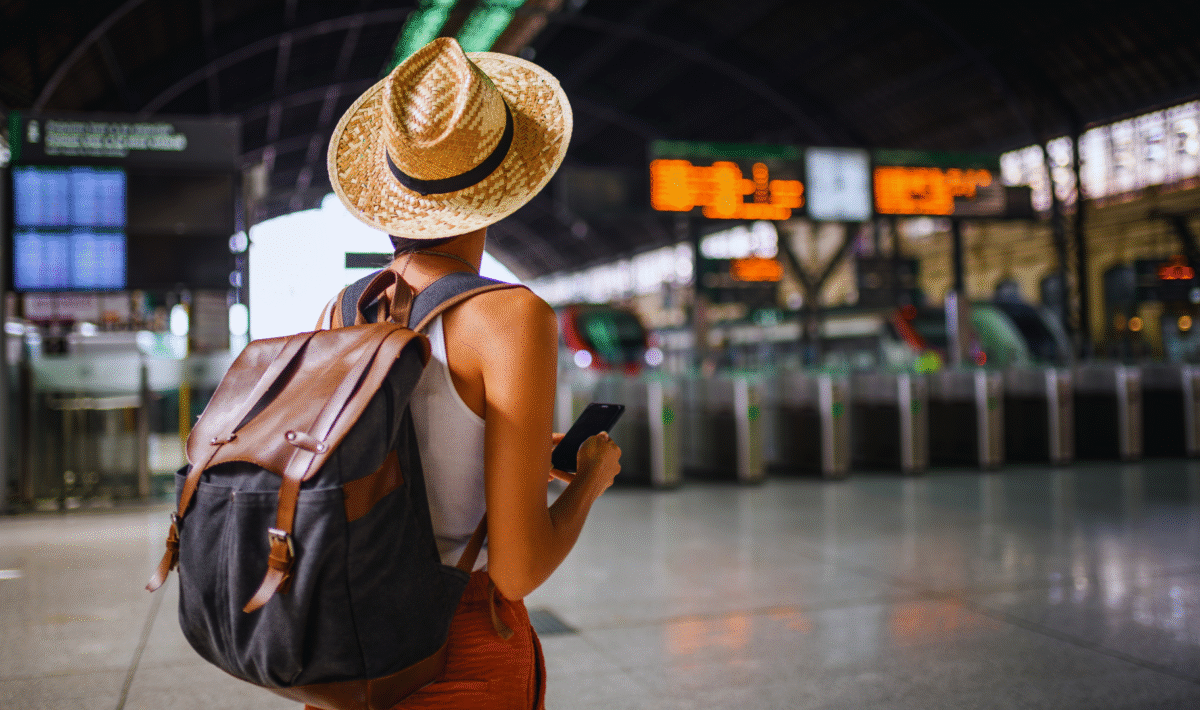
Traveling for the first time can be both exciting and daunting. Many individuals experience a mix of emotions, ranging from anticipation to anxiety about the unknown. Building confidence as a first-time traveler lies in preparation, open-mindedness, and embracing new experiences.
Understanding the basics of travel, such as planning itineraries and knowing cultural norms, can significantly ease concerns. They should start by researching and creating a list of potential challenges and solutions. This proactive approach fosters a sense of control and readiness.
Meeting fellow travelers and engaging with locals can also enhance confidence. Sharing experiences and gaining insights from others helps diminish fears. Embracing spontaneity while staying aware of one’s surroundings further strengthens self-assurance on the journey.
Understanding the Challenges and Rewards of First-Time Solo Travel
First-time solo travelers face a distinct set of challenges and rewards. By acknowledging fears, recognizing benefits, and dispelling myths, they can enhance their travel experience and build confidence.
Overcoming Common Fears and Doubts
First-time solo travelers often grapple with fears related to safety, loneliness, and decision-making. To combat safety concerns, researching destinations and following local guidelines can help establish a sense of security.
Planning itineraries with flexibility can reduce anxiety around making choices. Additionally, staying connected with friends and family through messaging or social media can alleviate feelings of isolation.
Joining travel forums or groups also provides support and camaraderie. Embracing these methods empowers travelers to navigate their journey confidently.
Benefits of Traveling Alone
Traveling alone presents unique advantages that can enhance personal growth. First, it cultivates independence, compelling travelers to rely on their instincts and make decisions without compromise.
Engaging with locals often becomes easier for solo travelers, leading to more authentic experiences. They may find that they are more inclined to try new activities or cuisines when not influenced by a travel companion.
The freedom to create a tailored itinerary fosters a greater sense of enjoyment, allowing them to explore at their own pace. Each moment becomes an opportunity for self-discovery.
Debunking Myths About Solo Travelers
Many misconceptions about solo travelers can deter individuals from embarking on their adventures. For example, the notion that traveling alone is inherently dangerous often overshadows its benefits.
In reality, solo travelers use common sense to ensure their safety, just as anyone would. Another myth is that solo travel is lonely, but many find that it encourages connections with others, whether with fellow travelers or locals.
Moreover, the idea that only extroverted individuals travel alone is misleading. Introverts can thrive in solo travel, using their time to recharge while exploring new cultures. Understanding these realities can empower more people to embrace the solo travel experience.
Building Confidence Before Your First Solo Trip
Preparing for a first solo trip requires careful planning and self-reflection. Engaging in local adventures, taking small steps towards independence, and cultivating a positive mindset can help build confidence before embarking on a journey alone.
Start with Local Adventures
He or she should begin by exploring their own city or nearby areas. Visiting local attractions, parks, or cafes can provide a taste of adventure without the pressures of travel logistics.
Creating a checklist of places to visit can also stimulate excitement. Planning outings that require navigating public transportation or trying new activities encourages skill development.
By experiencing local adventures, individuals can gain valuable insights into their preferences, strengths, and abilities. This exploration fosters self-reliance and prepares them for the next step in their travel journey.
Embracing Small Steps Towards Independence
Taking small, manageable steps can help ease anxieties associated with solo travel. She could consider starting with short day trips or even weekend getaways.
Communicating with locals, trying out a new dining spot, and engaging in conversations can enhance the sense of independence. Each small victory contributes to an evolving confidence.
Keeping a journal of experiences allows for reflection on personal growth. Recognizing achievements, no matter how small, builds an essential foundation for future solo trips.
Developing a Positive Mindset
A positive mindset is critical for overcoming self-doubt. He or she should practice affirmations and visualize successful travel experiences. Focusing on exciting possibilities rather than potential setbacks encourages optimism.
Engaging in mindfulness activities such as meditation can help alleviate anxiety. Techniques like deep breathing can also promote calmness before the trip.
Surrounding oneself with supportive friends who celebrate their decision to travel alone reinforces this positive outlook. Cultivating a strong belief in one’s abilities will significantly impact the overall travel experience.
Essential Preparation and Planning Tips for First-Time Travelers
Preparation is key for any traveler, especially those embarking on their first journey. Effective planning can make the experience smoother and more enjoyable. Here are essential tips to set a strong foundation for a successful trip.
Creating a Flexible Travel Plan
Developing a travel plan allows for a well-structured itinerary. Start by outlining key destinations and activities.
- Research each location: know popular sights, local customs, and events.
- Plan travel logistics: select a mix of transportation methods, such as flights, buses, or trains.
- Allow for adjustments: include free time in the itinerary to adapt to unforeseen situations or new opportunities.
Flexibility can lead to unique experiences. Being open to spontaneity often enhances the travel experience.
Understanding Passports and Visas
A valid passport is essential for international travel. Ensure it is up-to-date; many countries require it to have at least six months of validity remaining.
- Visa requirements vary by country: check if a visa is needed for entry.
- Application processes can take time; start early and prepare the necessary documents.
- Local regulations may apply: some destinations offer visa-on-arrival options.
A comprehensive understanding of these aspects minimizes last-minute hurdles.
Navigating Accommodation and Transportation
Choosing the right accommodation can set the tone for the trip. Options like hotels, hostels, and rental homes cater to various budgets and preferences.
- Compare accommodations: use platforms to find competitive rates and read reviews.
- Understand local transportation: familiarize yourself with public transport systems, including buses and trains, for efficient navigation.
- Consider a local SIM card: this can facilitate navigation and communication while abroad.
Planning both accommodations and transportation can greatly enhance comfort and confidence while traveling.
Practical Confidence-Boosting Strategies for the Road
First-time travelers can benefit from a variety of methods to bolster their confidence while navigating new environments. Engaging with others, managing travel challenges, and leveraging online resources are essential strategies for a smoother journey.
Connecting with Others and Staying Safe
Solo travelers should prioritize connecting with locals and other travelers. Engaging in conversation can provide insights into cultural norms and local tips. Staying in hostels often facilitates these interactions, as they encourage communal spaces and group activities.
To ensure safety while making new connections, it’s essential to remain aware of surroundings. Using reputable platforms to meet people, such as travel-oriented social media groups, can help. Sharing travel plans with friends and family also creates a network of support. Additionally, familiarizing oneself with emergency numbers in the area can enhance safety.
Dealing with Jet Lag and Culture Shock
Jet lag affects many travelers, primarily when crossing time zones. To combat this, adjusting sleep schedules before departure can ease the transition. Staying hydrated and maintaining a balanced diet during travel aids in reducing fatigue.
Culture shock is another common challenge. Understanding that it is normal can help mitigate anxiety. Travelers should immerse themselves in local customs gradually. Engaging in cultural experiences, like trying local dishes and participating in community events, can quickly foster a sense of belonging.
Learning from Travel Blogs and Communities
Travel blogs are invaluable resources packed with practical tips and firsthand experiences. They often provide insight into various destinations, from must-see attractions to hidden gems. First-time travelers benefit from reading about other people’s experiences and lessons learned.
Joining online travel communities can greatly expand knowledge. Platforms like Facebook Groups or Reddit forums offer the chance to ask questions and share experiences with seasoned travelers. Interacting with these online communities can build confidence, as they provide guidance and camaraderie.
