

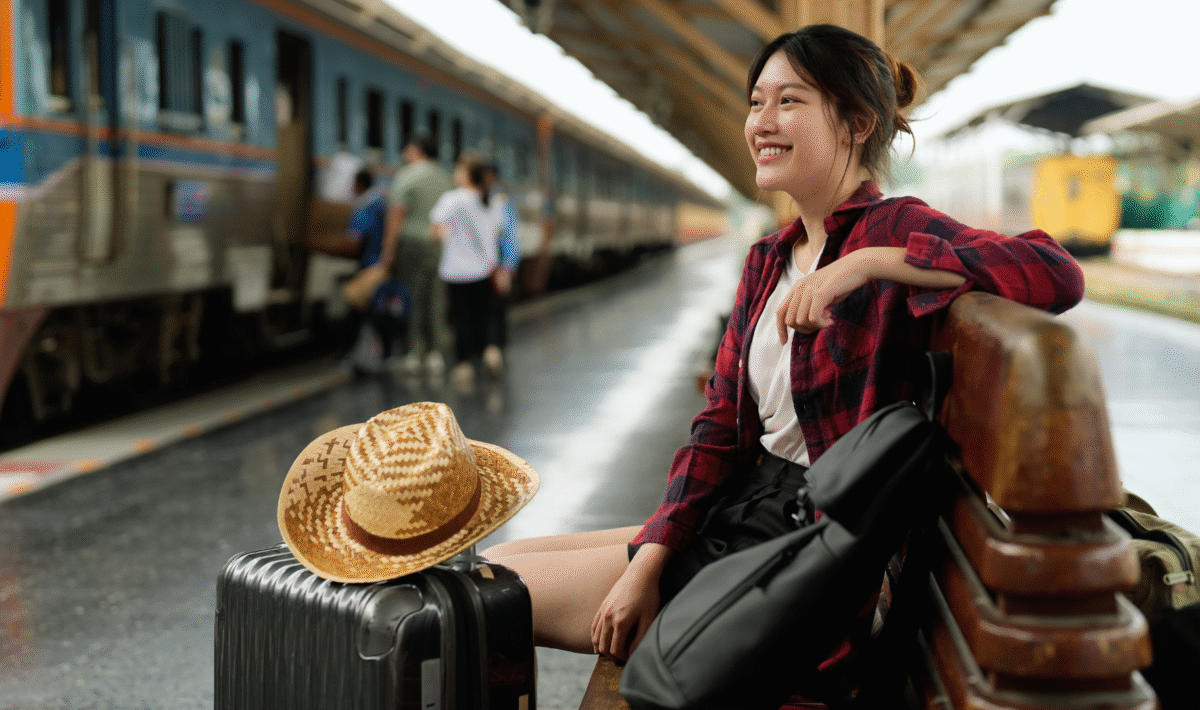
Solo travel can be an exciting and transformative experience for first-time adventurers. With opportunities for personal growth and newfound independence, many seek out this journey to explore new places on their own terms. Planning thoroughly, staying safe, and embracing spontaneity can significantly enhance the solo travel experience.
New travelers may face challenges such as loneliness or uncertainty. By preparing for these hurdles, one can turn potential obstacles into enriching experiences. Developing a flexible itinerary that allows for unplanned discoveries often leads to memorable adventures.
Connecting with local communities and fellow travelers can also provide support and companionship during the journey. Solo adventurers should consider joining group tours or participating in local events to enhance their experience. Taking proactive steps to meet others can make the journey feel less isolating while fostering genuine connections.
Essential Solo Travel Advice for First-Time Adventurers
Embarking on a solo journey can be both exhilarating and daunting. By addressing fears, acknowledging the benefits, and embracing the path of self-discovery, first-time adventurers will be better equipped for their travels.
Overcoming Pre-Trip Fears and Building Confidence
For many, the thought of solo travel breeds anxiety. Common fears include safety concerns, loneliness, and the overwhelming nature of navigating new places alone.
To combat these feelings, it helps to:
- Research your destination to understand the culture, customs, and safety tips.
- Connect with fellow travelers through forums or social media to share experiences.
- Start small with short trips or day excursions to gradually build confidence.
Developing a travel plan and setting realistic expectations can also reduce anxiety.
Benefits of Traveling Alone
Traveling alone provides unique advantages that enhance the overall experience.
Some key benefits include:
- Flexibility: Solo travelers can change plans last minute without consulting others.
- Personal growth: Being solely responsible for decisions fosters independence and self-reliance.
- Opportunity for deep reflection: Time alone allows for contemplation and personal insight.
Solo travel also leads to unexpected connections with locals and other travelers, enriching the journey.
Understanding Self-Discovery Through Solo Adventures
Solo adventures often serve as a catalyst for self-discovery. Traveling alone encourages individuals to step outside their comfort zones.
This process may involve:
- Experiencing new cultures firsthand broadens perspectives.
- Meeting diverse individuals, fostering empathy and understanding.
- Engaging in challenging activities, building resilience, and self-confidence.
Each experience encountered on the journey unveils new facets of the self, contributing to personal growth and a clearer sense of identity.
Planning Your First Solo Trip
Planning a solo trip involves selecting the right destination, managing finances wisely, and finding accommodations suited for individual travelers. Each of these elements plays a crucial role in ensuring a rewarding experience.
Choosing the Right Solo Travel Destination
Selecting a destination impacts the overall experience significantly. Popular solo travel destinations include Barcelona, Tokyo, and Lisbon. These cities offer a combination of safety, culture, and accessibility.
When choosing, consider language barriers and cultural norms. A destination where English is widely spoken may ease communication.
Safety should also be a priority. Research crime rates and read traveler reviews to gauge how welcoming a place can be for solo adventurers.
Smart Budgeting and Travel Insurance
Effective budgeting is essential for any traveler. Establish a daily budget that includes accommodations, food, activities, and transportation.
Local markets and street food often provide affordable and authentic dining experiences. Additionally, using public transit or walking can save money.
Travel insurance offers peace of mind. It covers unexpected events like trip cancellations, medical emergencies, or lost luggage. Various companies offer tailored policies for solo travelers, so it’s wise to compare options to find the best fit.
Selecting Solo-Friendly Accommodations
Accommodation can enhance the solo travel experience. Hostels are popular among solo travelers, offering a social environment and opportunities to meet others. Many hostels provide organized group activities.
Consider guesthouses, which offer a more intimate experience. These often have fewer guests and a homier feel, enabling travelers to connect more deeply with the locale.
Check for amenities like kitchens, Wi-Fi, and social spaces to ensure comfort and convenience. Opting for accommodations in central locations makes it easier to explore and access attractions, ensuring a memorable adventure.
Maximizing Your Solo Travel Experience
For first-time solo travelers, the journey can be both exciting and daunting. Engaging with new people, immersing in local cultures, utilizing technology, and reflecting through journaling can enhance the travel experience significantly.
Meeting New People and Making Connections
Traveling solo offers unique opportunities to meet others. Joining group tours or taking classes can facilitate connections with both locals and fellow travelers.
Local bars or cafes are ideal spots for socializing. He or she might consider staying in hostels that host communal events, such as group dinners or pub crawls.
Additionally, using travel Facebook groups can provide a platform to find meet-ups or activities that align with personal interests and passions. Being open and approachable encourages spontaneity in making new friends.
Embracing Local Culture and Events
Participating in local festivals can greatly enrich the travel experience. Awareness of regional events can help immerse a solo traveler in the vibrant local culture.
Visiting local markets or street fairs provides insight into traditional crafts, foods, and customs. These gatherings often serve as communal spaces where he or she can interact directly with residents.
Engaging in cultural activities like cooking classes or dance lessons can offer authentic experiences and deepen connections with the destination.
Utilizing Travel Apps and Online Communities
Numerous travel apps cater to solo adventurers. Apps for navigation, language translation, and dining recommendations can enhance convenience and ease.
Social platforms such as Meetup or Couchsurfing can help travelers find events or connect with locals willing to share experiences.
He or she should leverage resources like TripAdvisor or travel blogs for advice tailored to solo travelers. These tools make it easier to access opportunities and navigate new environments.
Keeping a Travel Journal for Personal Growth
Maintaining a travel journal can foster personal reflection during solo trips. Writing about experiences allows for a deeper understanding of feelings and thoughts along the journey.
He or she might document encounters, challenges, and thoughts about each day. This practice can lead to discovering new interests, clarifying goals, and tracking personal growth.
Adding sketches, mementos, or photographs can enhance the journal’s richness. Recording experiences fosters mindfulness and creates lasting memories.
Practical Safety and Success Tips
Safety and success during solo travel require planning and awareness. By following tailored strategies, travelers can enhance their experiences while managing challenges effectively.
Solo Female Travel Strategies
For female solo travelers, safety is a top priority. It’s essential to stay vigilant, especially in unfamiliar environments. Research destinations to identify areas that are safe for solo women. Opt for accommodations with good reviews, focusing on safety.
Keeping friends or family informed about travel plans can add an extra layer of security. Consider dressing conservatively in cultures where it’s appropriate and avoid drawing unnecessary attention. Joining local women’s groups or travel clubs can also offer support and camaraderie.
Smart technology can be a helpful ally. Use apps for navigation and translation, and keep contacts easily accessible. Lastly, trust instincts; if something feels off, it’s okay to remove oneself from that situation.
Handling Travel Challenges and Loneliness
Travel challenges can arise unexpectedly, especially when traveling alone. Preparation helps mitigate these issues. Having backup plans for accommodations or activities provides options when things change.
Managing loneliness is another aspect of solo travel. Engaging with locals through classes, tours, or workshops can create opportunities for social interaction. Staying connected through social media or travel-specific apps allows for interaction with fellow travelers.
Keeping a journal can help process experiences and provide companionship in written form. Finding an engaging book or music can also make solitary times more enjoyable. Embracing solitude can lead to personal growth and greater self-awareness.
Long-Term Solo Travel Advice
For those considering long-term solo travel, packing wisely is crucial. Minimalist packing allows for flexibility and ease of movement. Essential items include a reliable backpack, a first-aid kit, and a universal charger.
Creating a travel budget helps in managing expenses effectively. It’s advisable to prioritize spending on experiences over material goods. Maintaining a routine, such as exercise and healthy eating, can improve overall well-being during travel.
Staying adaptable is vital in long-term journeys. Travel plans may change, and being open to new opportunities often leads to the most memorable experiences. Regularly connecting with other travelers can provide insights and create potential friendships along the journey.
