

Traveling internationally for the first time can spark a mix of excitement and anxiety. Planning such a trip often involves navigating unfamiliar processes, languages, and cultures. To take the stress out of the experience, thorough preparation and practical strategies can make a significant difference.
Anticipating challenges is a crucial step. From booking flights to understanding local customs, knowing what to expect helps reduce uncertainty. Prioritizing organization, such as creating checklists and setting a budget, enables travelers to tackle potential issues proactively.
Coping with unexpected situations is also vital. Flexibility and a positive mindset can go a long way in managing stress. Embracing the adventure and viewing it as a learning experience can transform initial anxiety into enjoyable exploration.
Prepare Essential Travel Documents
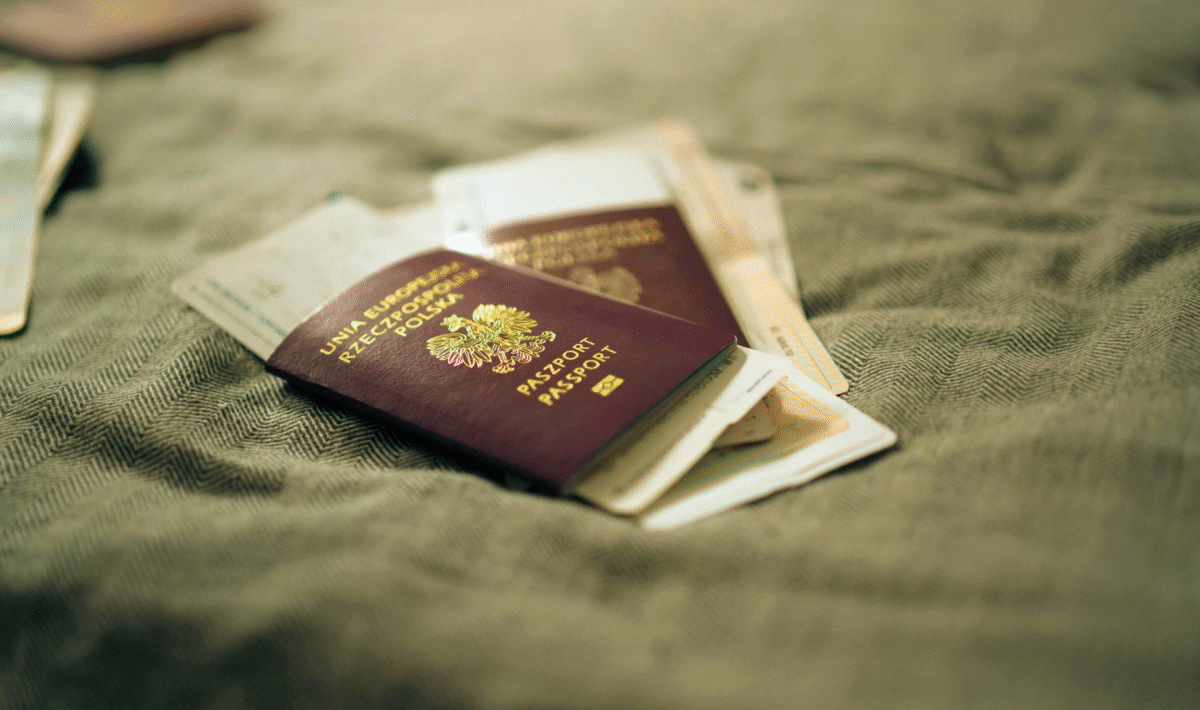
To ensure a smooth first international trip, it is vital to prepare all required travel documents. Key items include a passport, any necessary visas, travel insurance, and confirmations for flights and accommodations.
Check Passport Validity and Expiry Dates
Valid passports are crucial for international travel. Many countries require that passports have a validity of at least six months beyond the date of entry. She should check the expiry date well in advance.
If a passport is close to expiring, applying for a renewal should be prioritized. Passport processing times can vary significantly. He must also ensure his passport has enough blank pages for entry and exit stamps.
Understand Visa Requirements and Application Process
Visa requirements vary by destination. Some countries allow visa-free entry for short stays, while others require a visa beforehand. It is essential to research specific requirements for each country.
Applications can often be submitted online or by mail. She should allow several weeks for processing, as delays may occur. Supporting documents, such as travel itineraries and proof of accommodation, might be necessary.
Secure Travel Insurance for International Travel
Travel insurance provides financial protection against unforeseen events. This might include trip cancellations, medical emergencies, or lost luggage. They should thoroughly research and compare different policies before purchasing.
Critical aspects to look for include coverage limits, exclusions, and emergency assistance support. He should keep a digital and physical copy of the insurance policy accessible while traveling to address issues promptly.
Organize Flight Tickets and Accommodation Confirmations
Organizing flight tickets and accommodation confirmations streamlines travel logistics. She should book flights through reputable platforms. Utilizing services like booking.com or Airbnb ensures access to trusted options.
Confirmations should be printed or saved digitally. It is wise to have multiple copies readily available. Boarding passes may also need to be checked in online, which can save time at the airport.
Having all these documents in order contributes greatly to a stress-free international travel experience.
Plan and Organize Your International Journey
Planning is crucial for minimizing stress on a first international trip. With effective organization, travelers can focus on enjoying their journey rather than worrying about logistics. A structured approach ensures all essential aspects are addressed.
Create a Travel Checklist for Important Tasks
A well-thought-out travel checklist is an essential tool. It helps ensure nothing crucial is overlooked. Key items to include are:
- Passport and visas: Confirm all necessary documentation.
- Travel insurance: Purchase insurance for safety and peace of mind.
- Health precautions: Research vaccinations or medications required for the destination.
- Packing essentials: Make a list of clothing, toiletries, and electronics.
Having a checklist not only provides clarity but also helps in avoiding last-minute stress. Regularly reviewing and updating the list keeps travelers organized.
Book Transportation and Accommodations Early
Booking transportation and accommodations in advance is a strategic move. This approach typically ensures better prices and availability.
- Airfare: Monitor flight prices and book tickets when they fit within budget.
- Accommodation: Consider variety; options include hotels, hostels, or vacation rentals.
Secure accommodations close to popular attractions. This minimizes transit time. Also, explore local transportation options, such as:
- Public transit: Buses, trains, or subways can be cost-effective.
- Rideshare services: Apps like Uber offer convenience.
Advanced bookings reduce the likelihood of unpleasant surprises.
Develop a Flexible Travel Itinerary
A flexible travel itinerary allows for spontaneity while providing a framework for the journey. Itineraries should include:
- Must-see attractions: Identify key sites to visit, ensuring ticket bookings where applicable.
- Time allocations: Estimate how long to spend at each location.
Plan for downtime and consider alternate options if the original plans change. This adaptability can lead to discovering new experiences. Keeping a few open slots allows travelers to explore locally recommended spots or adjust for unforeseen circumstances.
Research Local Customs and Entry Regulations
Understanding local customs and entry regulations is vital for a smooth trip. Researching these elements helps travelers avoid cultural faux pas and legal issues.
- Cultural norms: Familiarize yourself with local etiquette, dress codes, and dining customs. Respecting local traditions enhances the travel experience.
- Entry regulations: Check current visa requirements and any COVID-related entry protocols.
This preparation ensures compliance with laws and allows travelers to engage respectfully with locals, enriching their experience and minimizing misunderstandings.
Pack and Prepare for Stress-Free Travel
Effective packing can significantly reduce stress during the first international trip. Thoughtful preparation and organization can help travelers feel more confident and in control.
Follow Smart Packing Tips and Use Packing Cubes
Smart packing begins with creating a list of essentials to avoid forgetting important items. Packing cubes are a game changer, allowing travelers to categorize clothes and gear systematically.
Benefits of packing cubes include:
- Keeping clothes organized
- Maximizing space in luggage
- Simplifying access to items
He or she should pack heavier items at the bottom of the suitcase and use rolled clothing to save space. Additionally, she can leave space for souvenirs or purchases made during the trip.
Choose Versatile Clothing and Essential Gear
When selecting clothing, focus on versatility to minimize the number of items packed. Neutral colors and mix-and-match styles enable various outfit combinations.
Some essentials to include:
- Lightweight layers for varying climates
- Quick-dry fabrics for convenience
- Comfortable walking shoes
Accessories like a travel scarf can provide warmth and style, while versatile gear, such as a travel pillow and eye mask, enhances comfort during long flights.
Assemble a Carry-On Bag with Valuables and Essentials
A well-prepared carry-on bag is crucial. It should hold important documents, electronics, and anything needed during the flight.
Key items to include:
- Passport and travel insurance
- Charging cables and power banks
- Snacks and a refillable water bottle
Pack a lightweight travel blanket for added comfort. This organized carry-on ensures travelers have everything at their fingertips throughout their journey.
Include Health Items Like a First-Aid Kit and Medications
Health should be a priority while traveling internationally. Packing a compact first-aid kit helps address minor injuries or discomfort.
Essential items for the kit:
- Adhesive bandages
- Antiseptic wipes
- Pain relievers
He or she should also include any prescription medications along with a copy of the prescription for clarity at customs. Staying proactive about health ensures a smoother travel experience without unexpected setbacks.
Navigate Airports and Flights with Confidence
Navigating airports and flights can be daunting for first-time international travelers. With the right strategies, they can approach each stage of the journey with ease and assurance.
Arrive Early and Check In Online
Timing is crucial. Travelers should aim to arrive at the airport at least three hours before an international flight. This allows ample time for check-in, security checks, and unforeseen delays.
Online check-in is a game-changer. Most airlines allow travelers to check in up to 24 hours before departure. Utilizing this feature can save time and help secure preferred seating, such as an aisle seat, which provides easier access during long flights.
Before heading to the airport, travelers should ensure they have all necessary documents handy, including passports, boarding passes, and any required visas.
Handle Airport Security and Customs Efficiently
Navigating airport security efficiently reduces stress. Travelers are advised to familiarize themselves with TSA guidelines. This includes knowing what items can and cannot be brought through security.
Global Entry is an excellent option for frequent international travelers, allowing expedited processing through customs upon arrival. Even without Global Entry, having documents readily accessible can streamline the process.
At the security check, removing shoes, belts, and electronics ahead of time minimizes delays. Employing a simple checklist can help ensure no essential items are overlooked.
Tips for a Comfortable Long-Haul Flight
Long-haul flights can be exhausting. Choosing an aisle seat allows easier access to the aisle for stretching and restroom breaks.
Comfortable clothing is essential. Loose-fitting clothes and layering can adapt to varying cabin temperatures. Packing a travel pillow and a lightweight blanket or wrap can make a significant difference in comfort.
Additionally, entertainment options should be chosen in advance. Downloading movies, books, or music can keep travelers engaged and divert attention from the flight’s duration.
Stay Hydrated and Minimize Travel Fatigue
Hydration is vital during long flights. The cabin environment tends to be dry, so travelers should aim to drink water regularly. Bringing a refillable water bottle can facilitate this without excessive costs.
Avoiding caffeine and alcohol is advisable. Both can lead to dehydration and disrupt sleep patterns, adding to travel fatigue.
Incorporating short walks and stretching in the cabin can also combat fatigue. Simple exercises can help stimulate circulation and maintain energy levels.
