

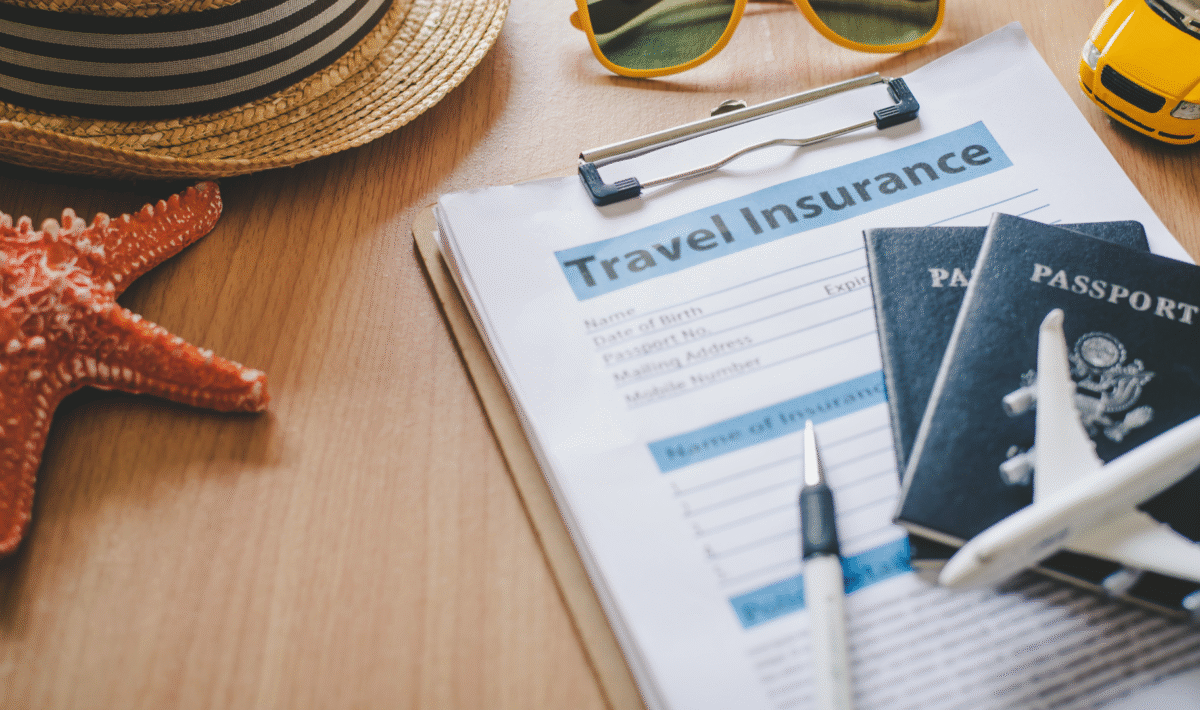
Travel documents are essential for journeys, whether for business or leisure. Keeping them secure is crucial for a smooth experience. By organizing important documents and utilizing secure storage methods, travelers can protect against loss or theft.
Many individuals underestimate the importance of a well-structured travel document management system. Using digital backups and encrypted storage options enhances security and provides peace of mind. When on the move, a thoughtful approach to safe-keeping can prevent unnecessary stress.
Incorporating practical tips and tools can help maintain the integrity of travel documents. From using protective sleeves to employing travel apps for organization, simple strategies can significantly reduce the risk of document-related issues. With proper management, travelers can focus on enjoying their trips rather than worrying about their paperwork.
Essential Travel Documents and Preparation
Proper preparation is crucial when it comes to travel. Ensuring that all necessary documents are organized can lead to a smoother experience. A traveler should be aware of the requirements and potential risks involved in their journey to ensure everything is in order.
Passport and Visa Requirements
A valid passport is essential for international travel. It is recommended that travelers ensure their passport has at least six months of validity beyond their planned departure date.
Different countries have unique visa requirements. It’s important for travelers to check whether a visa is needed for their destination. Some countries allow visa-free entry, while others may require a pre-arranged visa or an on-arrival visa.
Travelers should consider the following:
- Length of stay: Some visas are limited to short stays.
- Type of visa: There are tourist, business, and other types.
- Application process: Some visas may take time to obtain, so early application is advisable.
Understanding Local Customs and Transportation
Familiarizing oneself with local customs can enhance the travel experience. This includes understanding social norms and dress codes that may vary significantly between cultures. Respecting customs shows consideration and can lead to positive interactions with locals.
Transportation options also vary. Travelers should research:
- Public Transport: Buses, trains, and subways often provide affordable ways to navigate.
- Taxis and Ridesharing: Services like Uber may be available, but it’s wise to know local regulations.
- Rental Vehicles: Checking license requirements and road rules is essential before renting.
Importance of Travel Insurance
Travel insurance is a critical component of travel preparation. It provides coverage for unexpected events such as trip cancellations, medical emergencies, or lost luggage.
Travelers should assess their needs and choose a plan that offers comprehensive coverage. Key aspects to consider include:
- Medical Coverage: Ensure it includes international medical expenses.
- Trip Cancellation: Coverage for non-refundable expenses if plans change.
- Emergency Evacuation: Protection in case of serious medical issues.
It is advisable to read the policy carefully, noting what is covered and any exclusions. By taking these steps, travelers can protect themselves financially against unforeseen circumstances.
Organizing and Managing Your Travel Documents
Effective organization of travel documents is essential for a smooth journey. By utilizing tools and methods to manage these documents, a traveler can increase their security and accessibility.
Using a Travel Document Organizer
A travel document organizer is a dedicated space for all essential travel documents. It can be a specialized travel wallet or a simple folder.
Key items to include:
- Passports
- Visas
- Travel insurance details
- Itineraries
Choosing one that is durable and water-resistant can add an extra layer of security. Travelers should keep their organizers in an easily accessible location within their luggage, but secure enough to deter theft.
Digital and Physical Backups
Maintaining both digital and physical backups of important documents can prevent significant issues if originals are lost.
Digital backups can include:
- Scanned copies stored securely in cloud storage with strong passwords
- PDF versions saved on encrypted devices
Physical backups involve making copies of important documents and storing them separately from the originals.
Utilizing two-factor authentication for online accounts related to travel can enhance security further.
Categorizing and Checklist Methods
Implementing a categorization system for travel documents streamlines accessibility and accountability.
Suggested categories:
- Identification: Passports, ID cards
- Travel Arrangements: Tickets, hotel reservations
- Emergency Contacts: Local embassy numbers, insurance contacts
Creating a checklist before departure ensures that no vital documents are overlooked. Travelers can mark off items as they pack or use a digital checklist app for added convenience. This method reduces last-minute scrambles and enhances travel preparedness.
Securing Your Documents During Your Trip
It is crucial to safeguard travel documents throughout a journey. Employing secure methods for storage and transport can significantly minimize the risk of loss or theft.
Hotel Safe and Secure Accommodations
Using hotel safes provides a reliable solution for protecting valuable documents. Many hotels offer in-room safes that are both convenient and secure. Guests should ensure that the safe is properly functioning before leaving their belongings.
When choosing accommodations, select hotels known for security. Verify if they have features such as 24-hour surveillance, secure locks on doors, and staff trained in security protocols. Utilizing these features can enhance peace of mind.
Always keep a mental note of where travel documentation is stored within your hotel room. It is prudent to limit the number of locations where important documents are kept.
Anti-Theft Bags and Personal Carriers
Investing in anti-theft bags significantly reduces the chance of theft while traveling. These bags often come with features such as lockable zippers, cut-resistant straps, and RFID-blocking compartments to secure personal information.
Crossbody bags are a popular choice since they keep the bag close to the body. This makes it less accessible to potential thieves. When moving through crowded areas, she can position the bag in front of her for added security.
Travelers should avoid leaving bags unattended in public spaces. If a bag must be placed down, using a secure attachment, such as a lock to a table, can deter opportunistic theft.
TSA-Approved Locks and Bag Security
Utilizing TSA-approved locks for luggage offers an extra layer of security. These locks allow Transportation Security Administration agents to open bags without damaging locks, ensuring the contents remain secure during transit.
When packing, organize documents in a specific bag that can be easily accessed. Keeping essential items such as passports, tickets, and currency in this bag helps prevent disarray.
Additionally, travelers should conduct a thorough check of their bags at regular intervals. This habit ensures that all travel documents remain secure and are accounted for throughout the journey.
Best Practices for Carrying Documents Daily
Establishing a daily routine for carrying documents effectively minimizes the risk of loss. She should only take the necessary papers, such as identification, tickets, and reservations, to reduce the chance of misplacing them.
Using a durable, weather-resistant folder can help protect documents from physical damage. This folder can keep items organized and separated, making retrieval easier as needed.
It is also wise for travelers to keep digital backups of important documents. Using cloud storage or secure apps can provide immediate access to important information without needing physical copies.
Digital Security and Emergency Planning
Managing travel documents involves safeguarding digital copies and preparing for potential emergencies. Implementing strict security measures is crucial for preventing unauthorized access to important information.
Protecting Digital Copies with Passwords
Travelers should always secure digital copies of important documents with strong passwords. A strong password combines uppercase and lowercase letters, numbers, and special characters.
Example of a Strong Password:
- G8*wf$2jH@3pQ
Using password managers can assist in creating and storing unique passwords securely. It’s essential to avoid using easily guessed passwords, such as birthdays or simple phrases. Regular updates and changes to passwords enhance security.
Additionally, storing these copies in encrypted folders or cloud services adds an extra layer of protection. Travelers should routinely back up important documents to ensure they remain accessible if lost or damaged.
Two-Factor Authentication for Accounts
Implementing two-factor authentication (2FA) adds a critical layer of security for online travel accounts. This process requires a second form of verification, such as a text message code or an authentication app.
To set up 2FA, travelers should check the settings for email, airline, and accommodation accounts. Enabling this feature significantly reduces the risk of unauthorized access.
When using apps like Google Authenticator or Authy, travelers must keep their phones secure. If the phone is lost or stolen, those accounts may become vulnerable. Always ensure that recovery options are configured properly to regain access if necessary.
Responding to Loss or Theft of Documents
In the event of loss or theft of travel documents, it’s critical to act swiftly. Travelers should first report stolen passports or IDs to local authorities, as this protects them against identity theft.
They should also contact their travel insurance provider to report the loss. Many travel insurance plans offer assistance with replacing essential documents.
Furthermore, keeping a backup of all important travel documents in a secure, accessible format can expedite the process of reporting and replacement. Informing local embassies or consulates can facilitate recovery and provide additional support during the emergency.
